
Beyond Elimination Diets
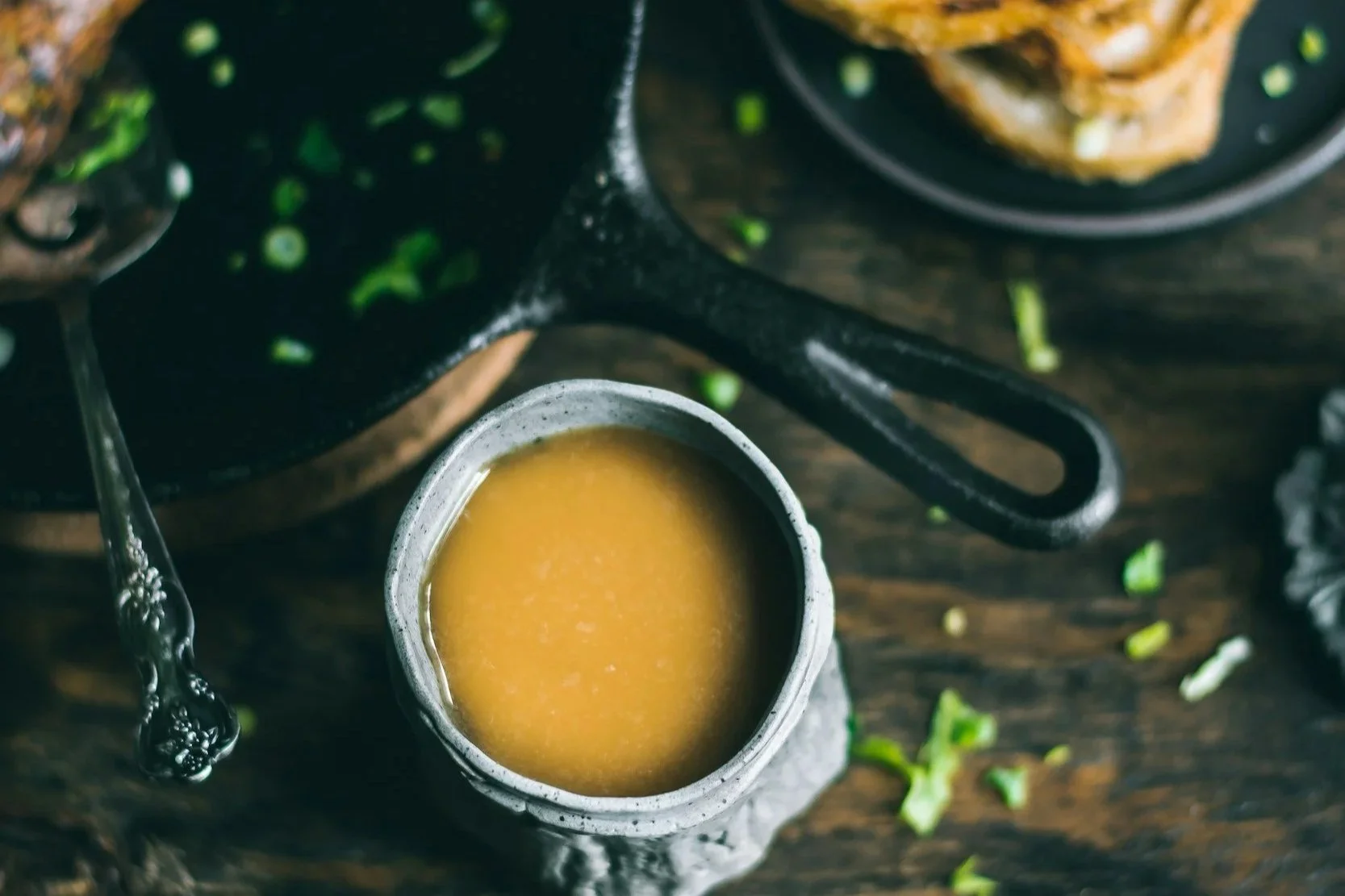
The first steps I take with IBS & Gut issues
If you’re experiencing IBS, whether that looks like constipation, diarrhea, or a combination of the two, it can feel like your gut is working against you. I know first hand how that feels.
The obsessions about what to eat.
The supplement cupboard of gut powders.
The elimination diets that make you more stressed then eating the donut.
The constant feeling shit when your guts off.
I really get it. And over the last 12 years I have worked with thousands of IBS cases to finally get to the bottom of it;
Feeling better.
Food freedom.
Its possible.
You might experience abdominal pain or discomfort, bloating, reflux, constipation, diarrhea, changes in your bowel habits, nausea or simply that feeling of being uncomfortable after eating and drained all the time.
And when you feel like this, it’s very tempting to start removing foods. Before we do that, though, I like to start with some simple foundations.
Rather than immediately putting you on a long list of foods you can’t eat, we first want to help your digestive system feel safer, calmer and more predictable.
Here are some of the first things I look at.
1. Set regular meal times
This is one of the simplest and often overlooked changes I make.
Aim for breakfast, lunch and dinner at fairly consistent times each day, rather than constantly grazing.
Our digestive system loves rhythm.
Just as your brain and body become accustomed to routines, your digestive system can begin to anticipate when food is coming. Regular meal times can help your body get into a predictable rhythm of preparing for, digesting and moving food through the digestive tract.
For a period of time, I may also recommend avoiding snacks between meals.
This isn't about restricting food or going hungry. It's about giving your digestive system some space between meals so it isn't constantly being asked to process something new.
We want to give the gut some breathing room.
Think of it as creating a predictable program:
Breakfast → digest → rest → Lunch → digest → rest → Dinner → digest → rest.
When we eat constantly throughout the day, the digestive system has very little downtime.
For some people with IBS, creating these clear spaces between meals can be a super helpful starting point.
Of course, if you genuinely need additional food between meals because of your energy requirements, blood sugar, medication or other individual circumstances, this needs to be adjusted, just reach out if you arnt sure!
2. Slow down and chew your food really well
This sounds incredibly simple, but it can make a meaningful difference.
Digestion starts in your mouth.
When you chew, you mechanically break food down into smaller particles, while saliva begins the digestive process and mixes with the food.
Think of your mouth as the first stage of your digestive system… One that we often rush through! (Chew chew swallow anyone?)
When we swallow large pieces of poorly chewed food, our stomach and intestines have more work to do to break everything down.
So instead of eating quickly while scrolling on your phone, driving, working or getting the kids organised, try making meals a little more intentional.
Put your fork down between mouthfuls.
Slow down.
Chew thoroughly.
Allow yourself to actually taste your food.
You don't need to count your chews… Aim for your food to be soft and well broken down before swallowing.
3. Start with a simple meat stock
One of my favourite, simple, cheap and incredibly powerful additions when someone's digestive system is struggling.
A nourishing meat stock can be an easy way to introduce nutrition while being relatively gentle on digestion. It can also be particularly useful when someone's appetite is poor or they feel that larger meals are difficult to tolerate. I rarely use gut powders now, I just use meat stocks! Meat stocks have the building blocks for gut healing.
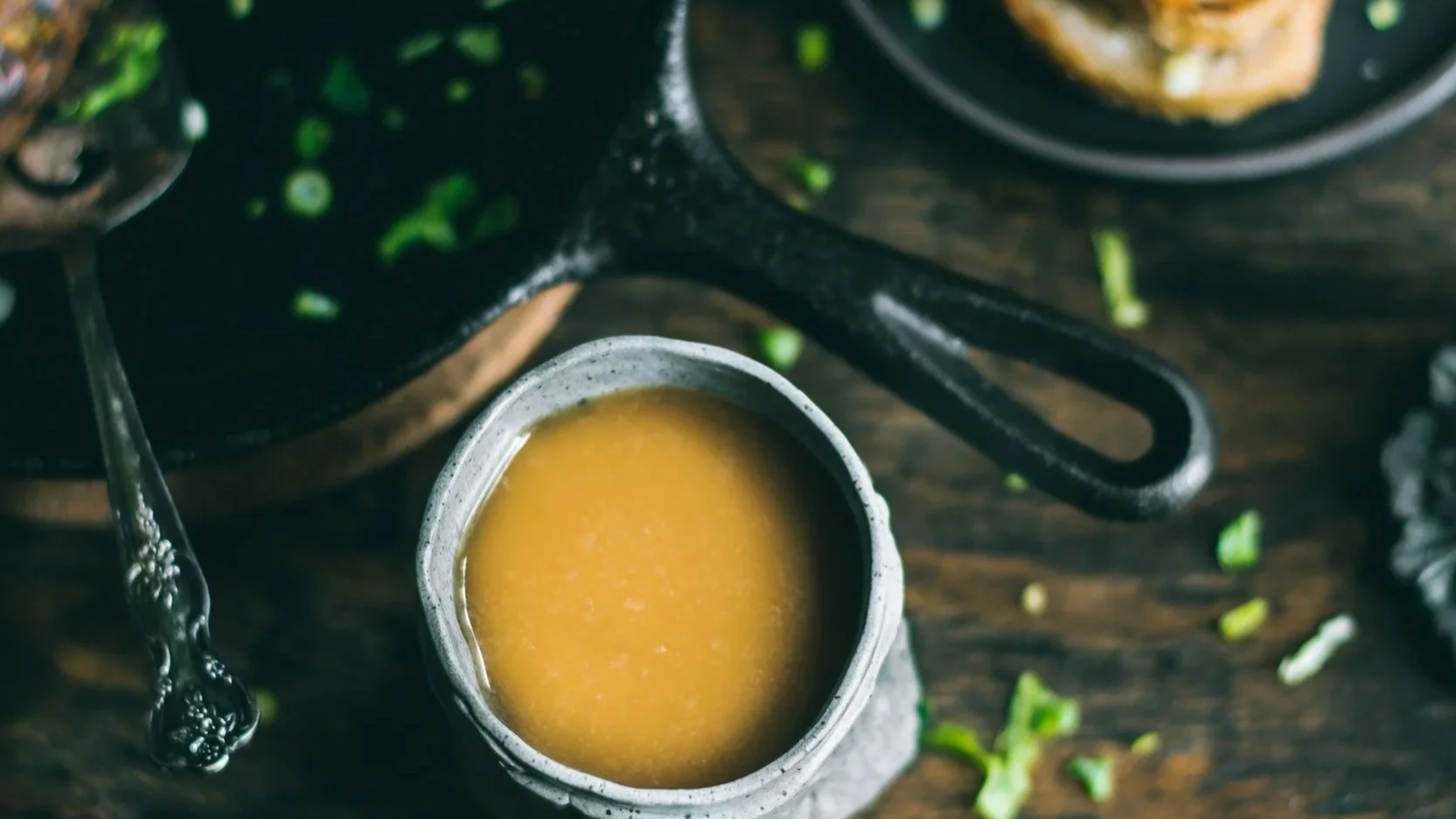
MEAT STOCK RECIPE
INGREDIENTS:
1kg of free range chicken pieces with bones. (I use legs, thighs or a small whole chicken)
2 cups of plants (I use celery, carrot, zucchini and spinach)
1 small diced onion or leek
Water to cover your meat and plants
A splash of Apple Cider Vinegar
1 tablespoon of good quality chicken stock paste/powder or bone broth for extra flavour.
1 tablespoon of sea or celtic salt
A teaspoon of dried thyme, parsley or oregano (Optional)
METHOD:
In a large saucepan, place all ingredients above.
Cover with water.
Bring to the boil and then simmer for 3 hours.
NOTES:
If your guts realllllly upset, some may only be able to tolerate the broth. Others can also consume the plants and meat.
Consume 1 cup daily, more if you wish.
Keeps in the fridge for 7 days, ideally heat in a saucepan. (If you have any histamine issues, you may need to store in containers or big icecubes in the freezer.
When someone has been experiencing IBS symptoms for a long time, their digestive system can feel like it's constantly working overtime.
They're bloated after meals.
Their stomach feels uncomfortable.
They're either struggling to go to the toilet or rushing to the bathroom.
They may have reflux, nausea or abdominal pain.
And eventually, eating itself can become something they worry about.
That's why I don't always start with a complicated elimination diet.
Sometimes the first step is simply creating calm and consistency. And sometimes, this is actually enough toreverse or reduce many symptoms!
IBS isn't just about food, its about the environment and function of our gut.
And once we have those foundations established, we can start looking at the individual picture, including your symptoms, bowel patterns, food triggers, lifestyle, stress, nutritional status and what might actually be driving your digestive discomfort.
Start simple.
You don't necessarily need another complicated diet.
Sometimes your gut needs rhythm, nourishment, space and a little more time and attention.
If you want to chat more with me about this or have questions if this is the right step for you, book in a FREE 15 Minute Nat Chat here.
Be well,
Charmaine xxx